
Breaking the limit: intro
The basic structure

This project comes from my thesis and my view on human experience. that some moments in life cannot be understood through thinking or everyday language, but only by going through them in the body.
In the next posts, I will explore this view starting from three key movements: eroticism, death, and the sacred. Not as abstract ideas, but as experiences that connect and activate each other.
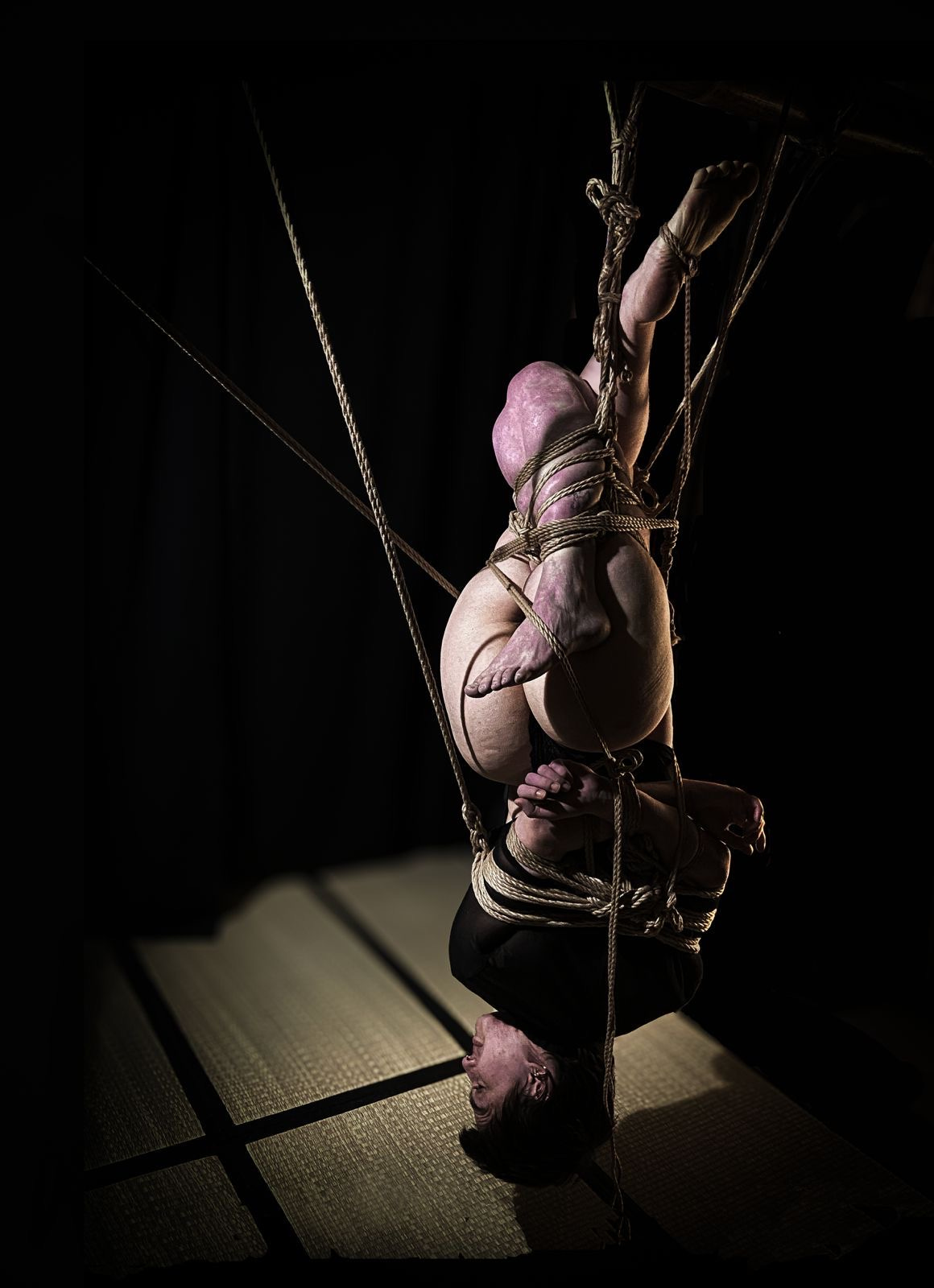
Eroticism is the drive to break a limit. It is the limit that holds together the image we have of ourselves. It is the desire to go beyond what protects us, by putting the body and its exposure at risk. It cracks the usual shape of the self and brings it into a risky space, where control is no longer guaranteed.
Death, here, is not biological death, but a suspension of the self: the moment when what we thought we were comes to a stop, empties out, and leaves room for possible change. It is the temporary loss of our social image.
The sacred is not something above life, nor something religious. It is the set of rules, stories, and forms that define us and make us recognizable. It is what can emerge when these structures crack and are crossed, instead of being defended. It is the space where identity, once shaken, can return in a different form.
These three movements are the pillars of a broader structure:
a path that describes how human beings search for meaning, how they build narratives to protect themselves from the void, how desire breaks through these narratives, and how — at times — that rupture can become a symbolic gesture, a sacrifice, a rebirth.
It is a movement that passes through dinquiet, desire, obsession, transgression, and ritual, which I’ll describe in the next posts.
Shibari is where this thesis becomes concrete: a bodily and relational ritual in which the limit is not explained, but lived through the body.